
14 posts tagged with "robotics"

View All Tags

3 Ways to Store ROS Topics

· 8 min read
Gracija Nikolovska
Software Developer - C#, Python, ROS

Introduction Diagram

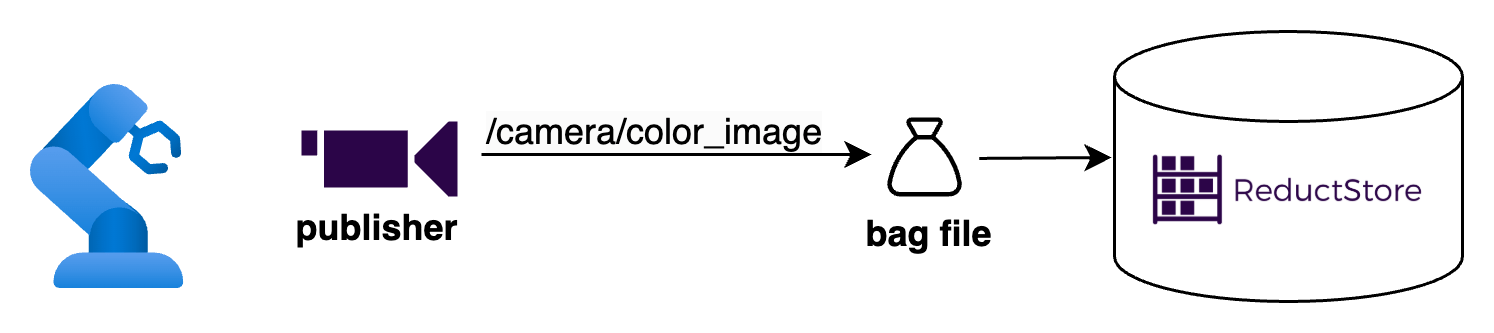
The Robot Operating System (ROS) is a powerful framework for developing and managing robotic systems. It simplifies integration, communication, and development through various tools and libraries. ROS is built around a communication system that uses a publish-subscribe model to connect components, where some, like sensors or cameras, act as publishers, and others, like motors or processors, are subscribers. The data shared between these components is organized into topics.

To make the most of this data, especially when it's needed later for analysis, debugging, or sharing, it's crucial to store it efficiently. In this article, we'll dive into three methods for storing ROS topics, comparing their benefits and limitations to help you choose the best one for your needs. In case you need to gain a broader understanding of how to handle robotics data effectively, make sure to check out our article on storing and managing robotics data first.
MongoDB vs ReductStore: Choosing the Right Database for Robotics Applications

· 9 min read
Gracija Nikolovska
Software Developer - C#, Python, ROS

Introduction Diagram

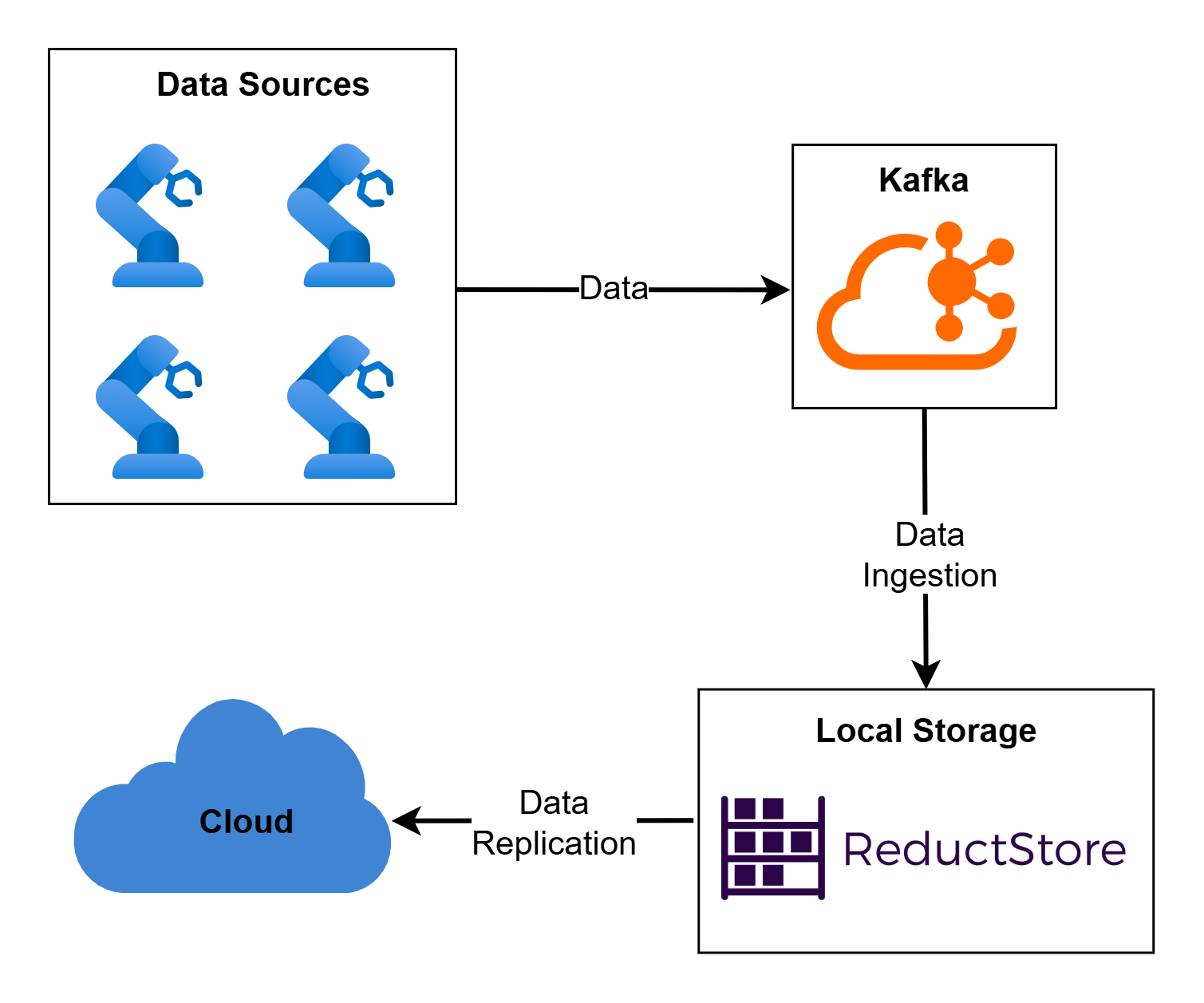
Robotics applications generate and process a wide variety of data, such as sensor readings, video streams, logs, and AI model outputs. Managing this data efficiently is crucial because it affects the performance, scalability, and reliability of the entire system.

In this article, we'll compare ReductStore and MongoDB, two databases designed to handle different aspects of data management. ReductStore is a time-series blob storage solution optimized for managing large amounts of data coming from continuous streams. MongoDB, on the other hand, is a popular NoSQL database known for its flexibility, scalability, and support for unstructured and semi-structured data.

By understanding the strengths and limitations of each, you can make an informed decision to meet your project's specific data needs.